
Beyond Quick Sightseeing Your New Guide to Senior Travel Planning
Planning a trip for senior travelers often brings concerns about health issues, rushed itineraries, and unexpected risks. How can one choose destinations and prepare carefully to ensure a safe yet enjoyable journey? This article offers a thorough and practical guide to senior travel, providing actionable insights to transform every trip into a rewarding experience.
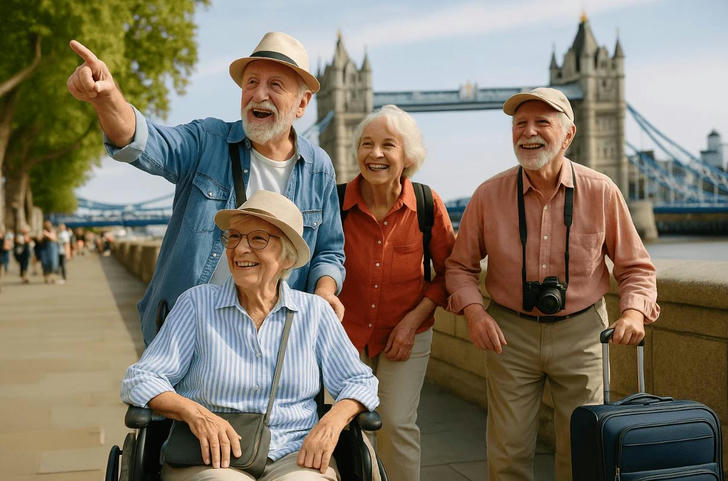
1. Beyond Traditional Sightseeing Unlocking New Models for Senior Travel
Senior tourism has evolved far beyond the classic "sunset tours" often characterized by rigid schedules and limited activities. Today’s trends reflect a broader focus on health, cultural engagement, and social interaction, making travel more fulfilling and tailored to individual needs.
- Diverse travel styles now include wellness retreats that emphasize physical and mental rejuvenation, offering yoga sessions, spa treatments, and nutritional programs specially designed for older adults.
- Cultural exploration through study tours or small-group experiences allows seniors to dive into local history, art, and customs at a comfortable pace.
- Customized small-group trips cater to specific interests such as gardening, photography, or culinary arts, facilitating deeper connections and meaningful experiences.
This shift toward personalized, health-conscious, and interactive travel marks a new era, helping seniors engage more actively and safely in their journeys.
2. Smart Destination Choices Matching Interests and Comfort
Choosing the right destination is critical to maximizing enjoyment while ensuring comfort and health safety.
- Health considerations play a priority role: destinations with mild climates, good medical infrastructure, and low pollution levels reduce physical strain and medical risks.
- Interest alignment enhances satisfaction; if history and culture captivate, cities with museums, heritage sites, and cultural festivals are ideal. For nature lovers, scenic parks or coastal towns offer relaxation and gentle activities.
- Accessibility matters profoundly. Locations with convenient transportation options, senior-friendly accommodations, and easy mobility contribute to a stress-free trip.
Seniors and their families should weigh these factors to achieve a balanced, enjoyable, and safe travel experience.
3. Pitfall-avoiding Tips for Planning and Booking From Agencies to Independent Travel
Navigating travel arrangements requires careful choices to avoid common pitfalls and disappointing outcomes.
- When selecting travel agencies, prioritize those with proven credentials, positive reviews, and transparent pricing. Research certifications and customer feedback to ensure professionalism.
- For independent or semi-independent travel, booking transport and accommodation early guarantees availability and often better prices. Choosing refundable or flexible options provides needed adaptability.
- Beware of bargain tours that sound too good to be true; these may involve hidden costs, overpacked schedules, or substandard services.
Well-informed decisions backed by research and verified sources are key to safe and satisfying travel planning.
4. Essential Pre-trip Preparations Prioritizing Health and Safety
A comprehensive checklist can safeguard against many travel complications, especially for senior travelers.
- Prepare all necessary medications, prescriptions, and medical documents well before departure. Sharing this information with a travel companion or family member adds a layer of security.
- Acquiring travel insurance tailored to senior needs—covering medical emergencies, trip cancellations, and baggage loss—is highly advisable.
- Packing wisely involves choosing lightweight, layered clothing suitable for the destination’s climate, plus comfortable, non-slip shoes for safety.
- Creating a family contact card with emergency contacts, health details, and itinerary information ensures quick support if needed.
These steps empower seniors to embark confidently and mitigate foreseeable risks.
5. Embracing a Slow and Safe Journey Practical Tips for Enjoyment on the Road
The travel experience itself benefits greatly from mindful pacing and precautionary habits.
- Maintaining a relaxed itinerary with plenty of rest breaks prevents exhaustion and preserves energy for sightseeing or activities.
- Paying attention to food hygiene and drinking bottled or purified water minimizes health issues from unfamiliar cuisine or environments.
- Vigilance against common travel scams in unfamiliar places helps protect personal belongings and peace of mind.
- Utilizing simple technology such as mobile apps for navigation, language support, or emergency contacts strengthens safety and connectivity with loved ones.
These measures enhance comfort and security, allowing seniors to savor the journey fully.
In summary, senior travel today embraces personalization, safety, and richness of experience. Thoughtful destination choices, careful planning, and prudent precautions transform trips into memorable and fulfilling adventures that truly celebrate the joys of exploration at every age.