
Leaving Behind the Fast-Paced Tourist Trap Why Slow Travel is a Better Remedy for Mind and Body
Vacation ends but exhaustion lingers Do you ever return from a trip feeling more worn out than before work The rush from one landmark to another often leaves only photos behind without meaningful memories This “special forces” style tourism, marked by packed schedules and constant movement, is causing many travelers to lose sight of the true purpose of travel It may be time to embrace slow travel a philosophy that encourages not just seeing the world but truly experiencing it, allowing deeper relaxation and nourishment for both mind and body
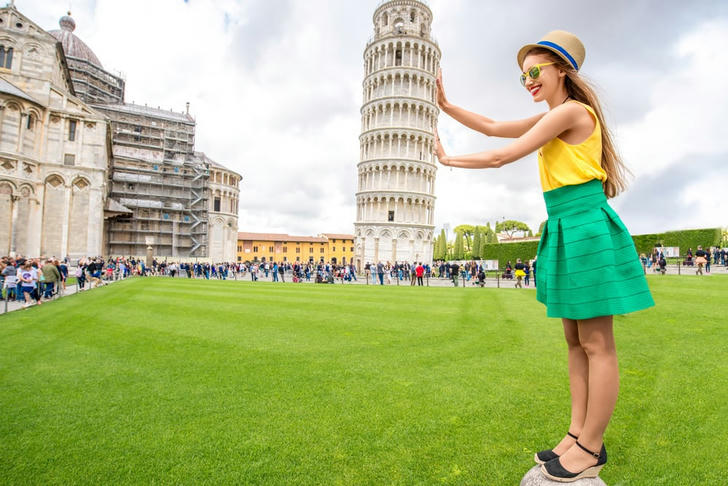
Farewell to Checklist Tourism Are You Trapped in Vacation Fatigue?
The modern travel culture often glorifies ticking off as many sights as possible on a limited schedule This approach can lead to mental and physical exhaustion as travelers rush between destinations with little downtime According to a 2024 survey by the U.S. Travel Association, over 60% of travelers reported feeling stressed or anxious during vacations, largely from overpacked itineraries The pressure to post perfect moments on social media further intensifies anxiety making travel feel more like a performance than a personal experience Additionally, quickly passing through sites creates a hollow feeling of “seeing without truly experiencing” which leaves many dissatisfied and disconnected Despite the increasing popularity of quick, photo-focused travel, a growing number of people express a craving for deeper and more authentic encounters that restore rather than drain energy
The True Meaning of Slow Travel It’s More Than Just Slowing Down
Slow travel is a mindset that prioritizes meaningful immersion in the local environment and culture instead of speed or quantity of destinations It encourages spending extended time in one place to appreciate the nuances of everyday life rather than rushing through tourist hotspots The Slow Travel Movement, first gaining momentum in the mid-2010s, has evolved into a philosophy focused on quality over quantity Key distinctions include opting for local homestays instead of hotels, engaging in community activities, and savoring unplanned moments This approach shifts the traveler’s role from observer to participant fostering genuine connections with people and place instead of surface-level observations Slow travel rejects the idea that “more places equals a better trip,” promoting intentional, mindful exploration instead
Reawakening Your Senses and Connections Why Slow Travel Feels Like a Deep Mind Massage
Scientific studies increasingly confirm the mental benefits of slowing down travel For example, research published by the Psychology Today Journal in 2024 highlights that slow travel reduces decision fatigue by allowing travelers to settle into a relaxed routine This fosters mindfulness—the practice of being fully present in the moment—which enhances sensory perception and emotional wellbeing During slow travel, more frequent interactions with locals create authentic cultural exchanges that boost empathy and reduce feelings of isolation These connections contribute to a sense of belonging and personal growth rather than mere sightseeing Further, time spent in a calm environment helps regulate stress hormones such as cortisol supporting resilience and mental clarity Anecdotal stories from slow travelers often describe a feeling akin to a “deep massage” for the psyche, a rejuvenation uncommon in hurried trips This psychological restoration aligns with growing global interest in wellness tourism, showing slow travel’s unique ability to nourish the spirit
Smarter and More Sustainable Travel How Slow Travel Benefits Your Wallet and the Planet
Slow travel’s advantages extend beyond personal wellbeing It often proves more cost-effective by encouraging long-term stays in affordable accommodations such as vacation rentals or local inns versus pricey hotels The U.S. Bureau of Economic Analysis notes that travelers who extend stays by a week tend to spend 25% less daily compared to shorter visits At the same time, slow travelers frequently buy from local markets and cook their own meals further reducing costs while supporting neighborhood economies Importantly, this approach results in a significantly smaller environmental footprint Longer stays mean fewer flights and less constant transportation use Slower travel patterns can reduce a traveler’s carbon emissions by up to 40% according to a 2023 study from the University of Colorado This aligns with global efforts to promote responsible tourism practices that preserve local ecosystems and cultural heritage Furthermore, slow travel helps cultivate respect for local customs and fosters mutual understanding between visitors and residents fostering sustainable social impacts as well
From Planning to Practice Practical Tips for Your First Slow Travel Experience
Starting a slow travel journey can be inspiring yet puzzling Here are some actionable steps to ensure a fulfilling start Begin by choosing destinations known for welcoming slower tourism such as smaller towns or regions with rich local culture rather than major metropolitan hubs Design your itinerary with plenty of free time—avoid the temptation to overcrowd each day Consider renting accommodations that put you in the heart of the community such as family-run guesthouses or shared apartments Learning a few key phrases in the local language can deepen interactions and ease navigating daily life Use local transportation modes like buses, bikes, or even walking to engage with surroundings more naturally Above all, cultivate flexibility and openness Let go of rigid plans and allow yourself to follow curiosity and spontaneous discoveries Embracing uncertainty often leads to the most memorable and authentic travel moments Slow travel invites a mindset shift towards appreciating depth over breadth, enabling travel to restore, inspire, and transform
Adopting slow travel practices offers a compelling alternative to exhausting fast-paced vacations It prioritizes meaningful engagement with places, enhances mental wellbeing, supports local economies, and contributes to environmental preservation By rethinking how travel is planned and experienced, travelers can reclaim joy and nurture both themselves and the world they explore