
From City Glare to Cosmic Wonders: Your Ultimate Stargazing and Aurora Adventure Guide
Light pollution continues to obscure the night skies in many parts of the world, turning the once common sight of countless stars into a rare luxury. For those yearning to witness the breathtaking Milky Way or chase the elusive dance of the Northern Lights, choosing the right destination and timing can be daunting. This guide offers a clear roadmap by unveiling top dark sky locations around the globe and providing practical tips to plan an unforgettable cosmic adventure under the stars.
Not Just Darkness: How to Identify a Perfect Dark Sky Park
Understanding what makes a location ideal for stargazing is the foundation of a successful dark sky experience. The International Dark-Sky Association (IDA) certifies dark sky places based on strict criteria that measure light pollution levels, environmental quality, and efforts to preserve night darkness. One key metric is the Bortle Scale, which rates night sky brightness from 1 (true dark sky) to 9 (inner-city sky). Choosing a site with a Bortle rating of 1 to 3 ensures visibility of faint celestial objects such as the Milky Way’s core and distant nebulae.
Beyond darkness, geographic and climatic factors play crucial roles. High altitude locations tend to have thinner atmosphere and less air pollution, while dry climates reduce humidity that can blur stars. Low horizons free of artificial light interference and stable weather patterns increase the chances of clear skies. For example, a desert plateau far from urban centers typically offers the optimal combination of these factors. These scientific benchmarks provide travelers with an objective way to evaluate potential stargazing destinations.
Global Star Maps: Top Destinations for Pure Stargazers
Astro-tourists seeking pristine skies will find extraordinary options around the world. In South America, Chile’s Atacama Desert is renowned for its ultra-dry air and near-permanent clear skies, attracting observatories and enthusiasts alike. Travelers can witness the dazzling Milky Way stretching across the southern horizon in unmatched clarity.
Across the Pacific, New Zealand hosts the Aoraki Mackenzie International Dark Sky Reserve. This region combines low light pollution with stunning mountainous landscapes, offering a surreal backdrop for deep sky viewing and astrophotography. In Africa, Namibia’s NamibRand Nature Reserve provides expansive desert skies free from haze, where the Milky Way’s dust lanes become vivid ribbons overhead.
These distinct locations demonstrate how varied the globe’s premier night sky sites are, catering to diverse traveler interests from desert solitude to alpine serenity. Each offers unique celestial highlights shaped by their hemispheric position and local environment.
Chasing the Lights: Prime Spots to Witness the Northern Lights
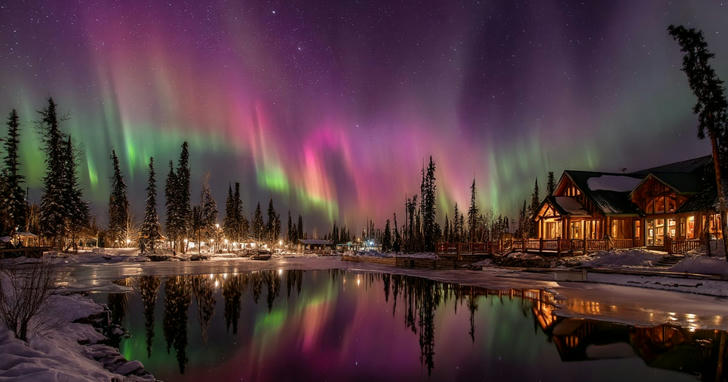
For travelers captivated by the aurora borealis, the selection of viewing spots is critical. Locations within or near the “auroral oval” — a ring-shaped zone around the geomagnetic poles — offer the highest probability of experiencing vivid Northern Lights displays. Northern Norway’s Tromsø stands out for its stable Arctic climate and infrastructure tailored for aurora seekers. Similarly, Sweden’s Abisko National Park benefits from a microclimate that yields frequent clear nights, earning the reputation as one of the best Northern Lights observatories in Europe.
Across the Atlantic, Canada’s Yellowknife holds the distinction of having some of the darkest skies in North America combined with reliable auroral activity. Its cold, dry winter air often provides crisp viewing conditions. Choosing destinations in these prime regions increases the odds of witnessing colorful curtains of light that shimmer across frigid skies.
Aurora viewing requires patience and preparedness, but selecting locales with historically frequent activity and low weather disruptions lays a strong foundation for success.
Timing and Preparation: A Practical Guide to Planning Your Stargazing Trip
Timing is vital to maximize the astronomical experience. For probing the Northern Lights, the peak window falls between late autumn and early spring during long, dark nights. In contrast, observing the Milky Way’s brightest part in the Northern Hemisphere is best during summer months when the galactic core rises above the horizon.
Avoiding the full moon phase is essential since moonlight can wash out fainter stars and nebulae. New moon or crescent phases offer darker conditions ideal for deep-sky observation. Weather apps and astronomy tools like mobile star maps and aurora forecast applications can help plan outings to coincide with clear skies and geomagnetic activity.
Essential gear includes a red-light flashlight to preserve night vision, warm outdoor clothing to endure chilly nights, and basic camera equipment for capturing star trails or the aurora. Binoculars enhance views of star clusters and planets, while amateur telescopes reveal planetary details and craters. Armed with proper timing and gear, the night sky becomes an accessible frontier full of wonder.
Protecting the Night: Being a Responsible Dark Sky Traveler
Appreciating natural darkness brings a responsibility to preserve it. Following “Leave No Trace” principles applies as much at night as during the day. Avoiding white light sources and using red LEDs limits disruption to other visitors and nocturnal wildlife, which rely on darkness for feeding and movement. Staying on marked trails reduces ecosystem impact around sensitive habitats.
Travelers can contribute long-term by supporting local initiatives aimed at light pollution reduction and advocating for dark sky-friendly lighting practices. Awareness about the harmful effects of excessive artificial light is growing, linking it to disrupted ecosystems and human health issues. Adopting respectful behaviors during star excursions helps safeguard these pristine environments for future generations.
In everyday life, minimizing unnecessary lighting at home also supports dark sky preservation on a larger scale. Responsible stargazing transforms a moment of cosmic awe into a deeper connection with environmental stewardship.